
Heart Rate during training weeks
Monitoring heart rate is a vital aspect of optimizing performances and recovery of athletes. How do you use heart rate data during the training week?

Many teams today have access to live GPS data. Speed, distance and accelerations are visible in real time. Yet one critical question often remains unanswered during training: How is the body actually responding to that load right now? This question is exactly why systems like Johan Sports were designed around live physiological data, not just movement to support decisions while training is still happening.
Live GPS shows what players are doing. It does not show how their bodies respond to that movement. Two players can run the same distance at the same speed, while their physiological response differs significantly. Without live heart rate, this difference only becomes visible after the session, when decisions can no longer be adjusted. This is also explained in training impuls.
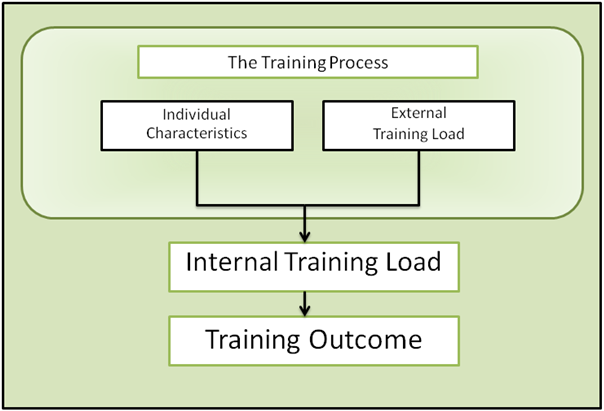
When heart rate is shown during training, staff can:
See internal load while drills are still ongoing
Validate whether intensity matches the intention
Detect early physiological drift
Act before fatigue becomes a post-session surprise
This does not change the training plan. It changes the moment of decision.
A common pattern seen during live monitoring:
Speed remains stable
Drill structure stays the same
Heart rate gradually drifts upward
Without live heart rate, this remains invisible on the pitch. With live heart rate, it becomes actionable: “Speed stayed constant, heart rate drifted and intensity was adjusted immediately.” The value is not the adjustment itself, but the fact that the signal was visible in time.
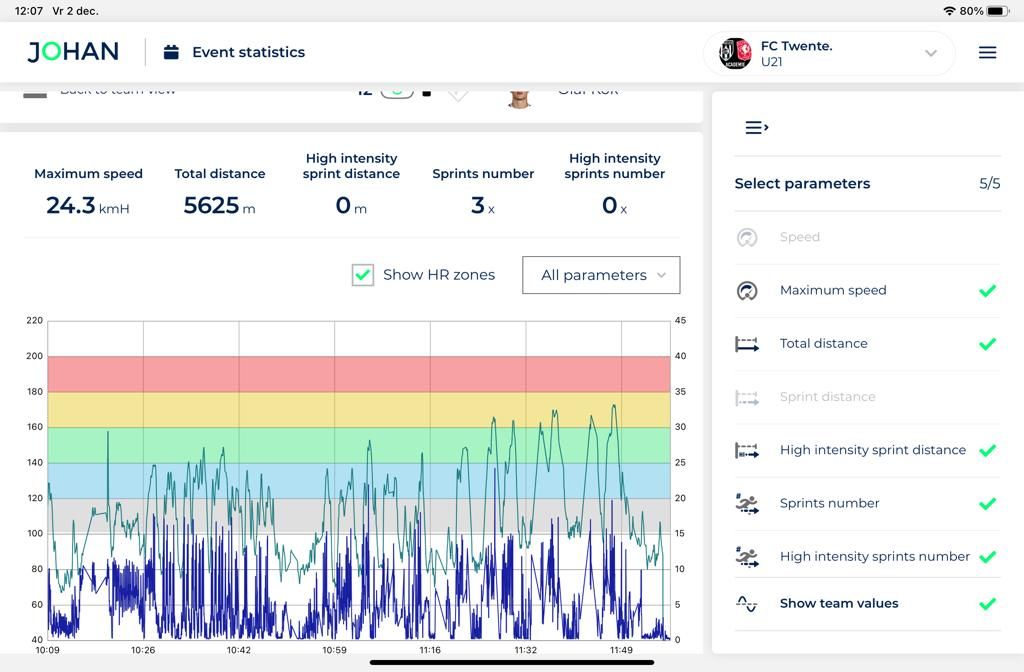
Post-session data is excellent for:
Analysis
Planning
Evaluation
But decisions during training are still often based on:
Experience
Visual cues
Intuition
Live heart rate adds a physiological layer to those decisions and without replacing coaching expertise. It supports intuition instead of overruling it.
The importance of live heart rate is visible in usage behaviour, not outcome claims.
Clubs using live heart rate tend to:
Check physiological trends during field sessions
Align coach and physio around the same live signal
Intervene earlier, not more aggressively
Reduce “surprises” in post-session reviews
This is not about controlling results. It is about reducing uncertainty while training is still happening.
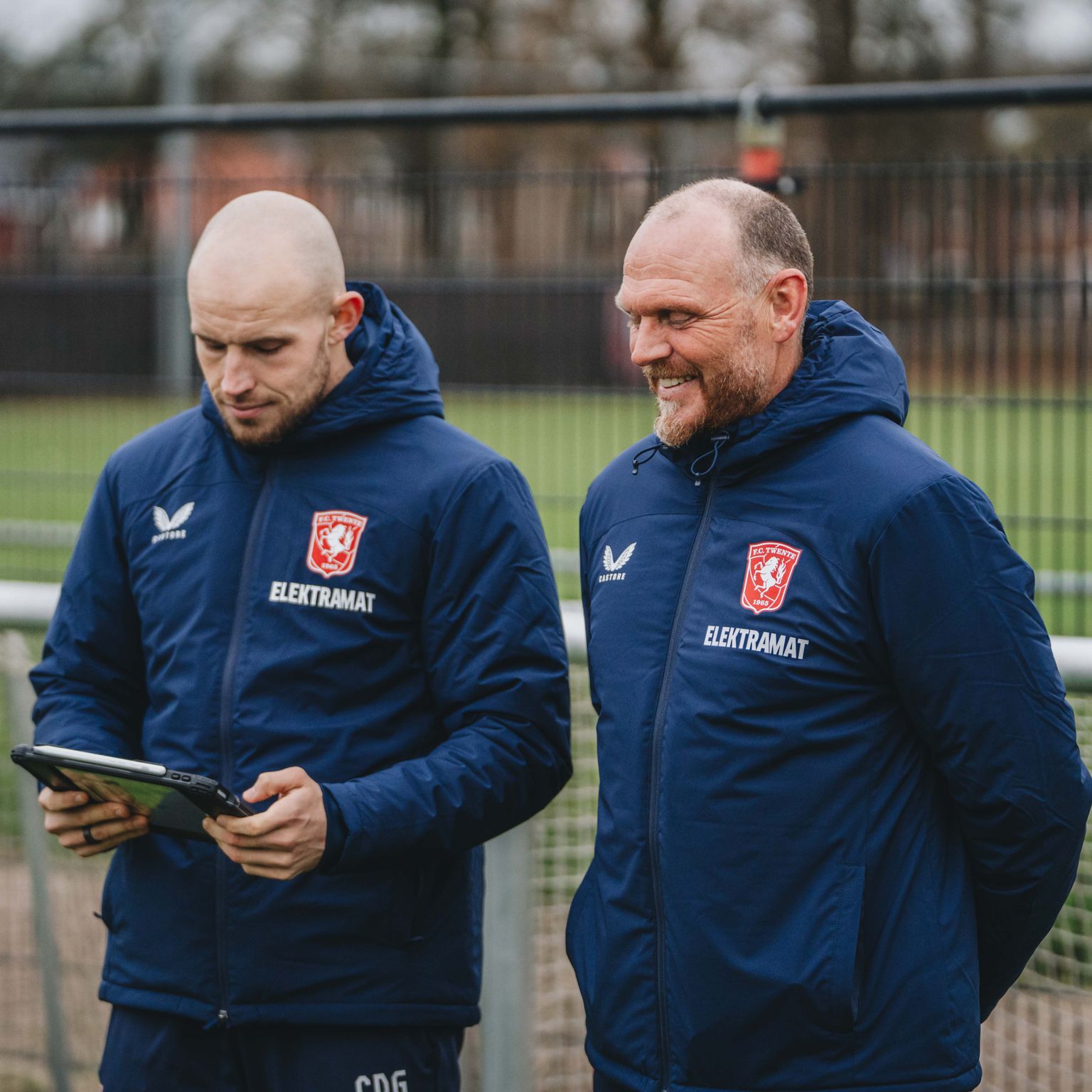
Live GPS data is increasingly available across systems.
What is still missing on most pitches:
Reliable live heart rate
Integrated in the same view
Usable during real training conditions
Without internal load, live GPS tells only half the story.
Live heart rate:
Complements movement data
Confirms or challenges intuition
Shifts insight from after to during
Supports better-timed decisions
Or, put simply:
Movement shows what happens. Heart rate shows what it costs. Seeing both — live — changes how decisions are made on the pitch.

Monitoring heart rate is a vital aspect of optimizing performances and recovery of athletes. How do you use heart rate data during the training week?
We tested the JOHAN PACER system against the Polar H10 sensor during an Interval Shuttle Run Test (ISRT). The comparison aimed to evaluate the accuracy and reliability of these heart rate monitoring technologies.